
Bad Bunny isn’t just one of the most influential artists of our generation. He’s a masterclass in cultural marketing. Without relying on traditional campaigns or watered-down messaging, he’s built global relevance by staying deeply rooted in who he is, where he comes from, and who he’s speaking to.
From timing to language to community, his success offers powerful lessons for brands navigating culture today. The biggest takeaway? Culture isn’t a campaign — it’s a commitment.
Below, we break down the key insights brands can take away from Bad Bunny’s cultural relevance.
Culture First, Brand Second
Bad Bunny doesn’t chase trends — he becomes the moment.
When he announced his halftime performance wearing a jíbaro hat on a beach in Puerto Rico, it wasn’t just a promo. It was a celebration of his roots and a visual love letter to the island.
Un Verano Sin Ti didn’t launch as a bid for global dominance — it arrived as an ode to Puerto Rico, highlighting Caribbean rhythms like plena, bomba, and dembow long before they dominated global charts.
Even on fashion’s biggest stages, like the Met Gala, his looks have drawn on Puerto Rican jíbaro culture—not as a trend, but as a cultural statement.
Key takeaway: relevance comes from participating in culture authentically, not opportunistically.

Sell an Experience, Not a Product
Bad Bunny doesn’t just release music — he invites people into a world.
Albums like Debí Tirar Más Fotos aren’t simply collections of songs. They’re explorations of memory, nostalgia, regret, and pride. By blending modern reggaeton with salsa, plena, and Puerto Rican history, he tapped into emotions that feel deeply personal yet universally relatable.
His Puerto Rico concert series followed the same philosophy. They were immersive celebrations of culture, identity, and place, using traditional symbols and vibrant visuals to bring the island’s spirit to life.
Key takeaway: Brands that focus on creating meaning, not just moments, build deeper, longer-lasting connections.
Owning Your Language
Spanish. Caribbean identity. No translation required.
Bad Bunny has been named Spotify's most-streamed artist globally four times (2020, 2021, 2022, and 2025) without switching to English or softening his identity.
His albums feature Spanish titles, slang-heavy lyrics, and zero global “explainer” campaigns.
When asked about English crossover projects, he’s been clear: he makes music for his people first.
And it worked. His album Debí Tirar Más Fotos made history by becoming the first Spanish-language album to win Album of the Year at the Grammys in 2026.
Key takeaway: Brands don’t need to dilute their voice to expand their reach. Staying true to their identity often amplifies it.

Community Over Mass Appeal
Bad Bunny creates with his audience — not for the masses.
He has hosted free or low-cost shows specifically for locals in Puerto Rico. His lyrics are filled with inside jokes, slang, and cultural references that reward those who truly “get it.” And instead of chasing big-name features for clout, he consistently spotlights local artists, producers, and styles.
In 2025, he made history as the first artist to hold a residency in Puerto Rico, with 31 sold-out shows at the Coliseo de Puerto Rico. While prioritizing local audiences, the concerts drew celebrities from around the world, including Jon Hamm, LeBron James, Ricky Martin, Kylian Mbappé, Augustin Butler, Penélope Cruz, Javier Bardem, Becky G, and Sebastián Yatra among many others.
Key takeaway: Brands that invest in their core community build loyalty that no algorithm can replicate.
Consistent, Yet Unpredictable
Bad Bunny’s brand is unmistakable — even when it’s surprising.
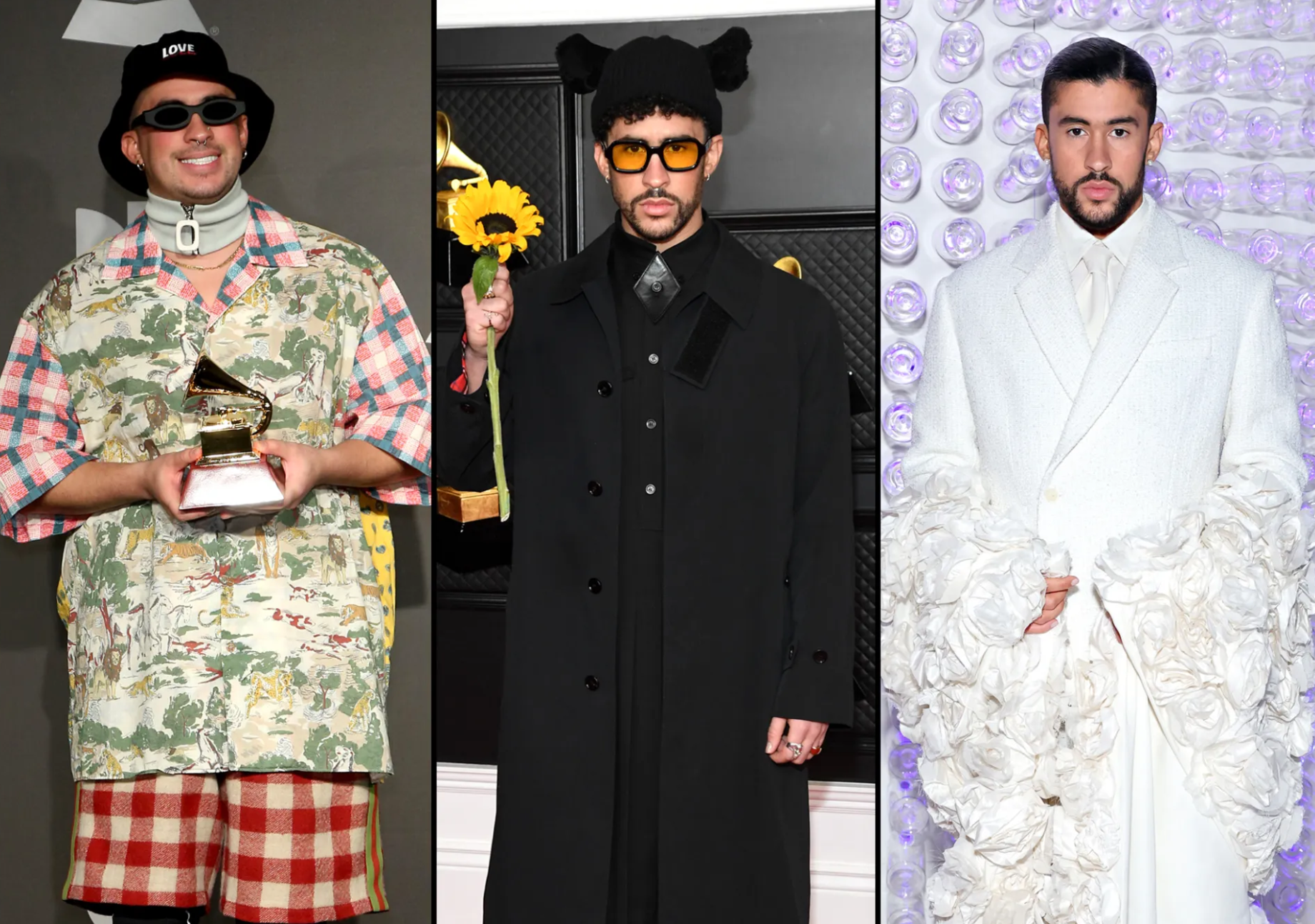
His fashion choices challenge norms but always reinforce freedom of expression. His genre shifts, from reggaeton to rock, indie, and Caribbean folk, never feel forced because they’re anchored in authenticity.
He also understands the power of mystery: disappearing from social media, posting cryptic messages, or wiping accounts clean to build anticipation and make every return feel like an event.
Key takeaway: Consistency doesn’t mean stagnation. Brands that balance clarity with surprise keep audiences engaged.
Values are the Brand
For Bad Bunny, activism isn’t a moment; it’s a throughline.
From Estamos Bien after Hurricane Maria to protesting corruption in Puerto Rico, he’s used music and visibility to spotlight social issues. He’s addressed domestic violence, gender equality, and LGBTQ+ rights in an industry that often avoids those conversations.
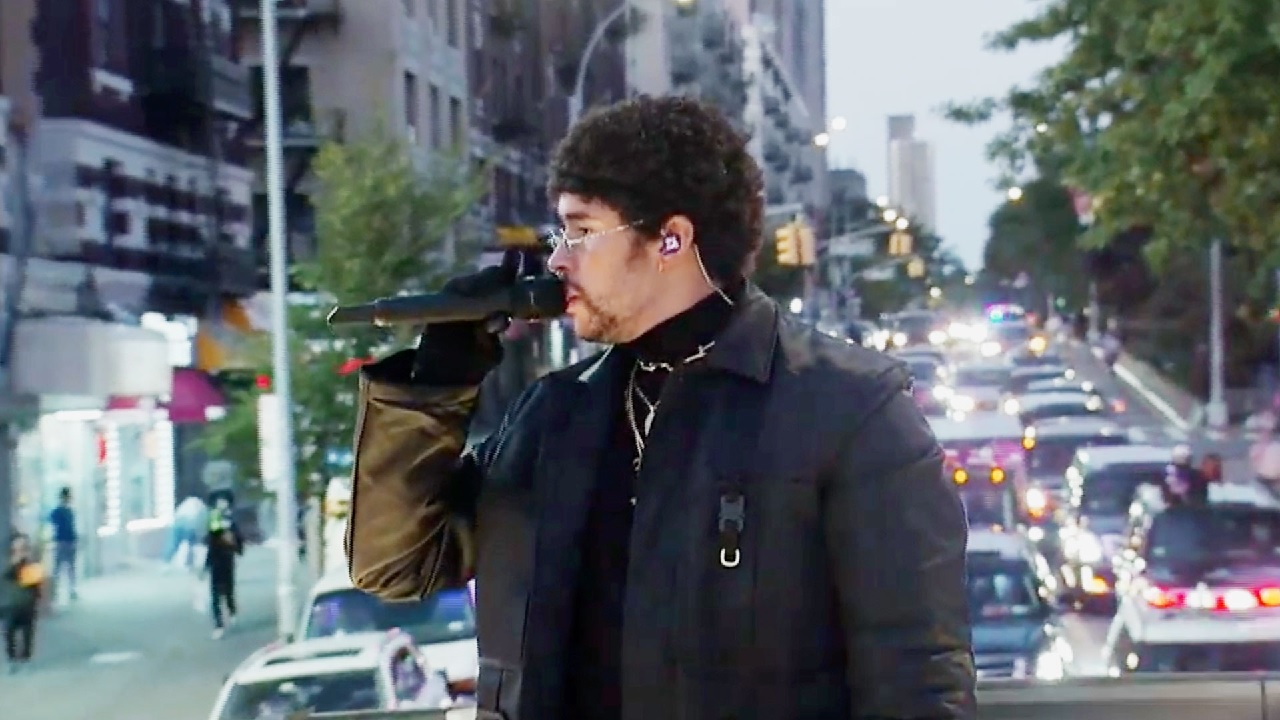
During the height of COVID-19, he rode through New York City on a truck serenading residents and ended by performing for healthcare workers at Harlem Hospital - a reminder that showing up matters.
Key takeaway: Brands that live their values consistently earn trust and long-term impact.
The Real Takeaway for Brands
Bad Bunny’s success is rooted in alignment between values, voice, culture, and community.
Culture isn’t something you tap into when it’s convenient. It’s something you commit to, protect, and show up for, even when it doesn’t translate immediately.
And that’s the difference between being seen and being remembered.